


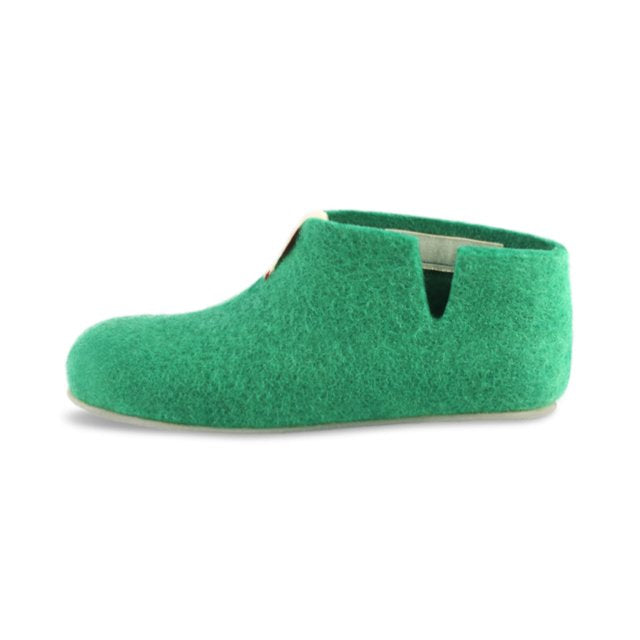

















How to Choose Responsible Minimalist Shoes
A shoe can look minimal because it has a clean silhouette. It can also be minimal in the way it lets your feet move. Those are not always the same thing. If you are searching for responsible minimalist shoes, start by deciding what minimalism needs to mean in your daily life: less visual noise, less unnecessary material, a closer-to-the-ground feel, or all three.
The most responsible pair is rarely the one with the boldest claim. It is the pair that fits your routine, feels good enough to wear often, and is made with materials and construction you can understand. A considered choice can reduce the number of shoes you need while making everyday movement more comfortable.
Choose responsible minimalist shoes for your real routine
Minimalist footwear is not one fixed category. Some styles focus on a flexible sole, a wide toe area, and a low profile. Others simply remove excess detailing, keeping the design refined and easy to wear. Before comparing materials or labels, think about where the shoes will spend their time.
For commuting and city walking, you may want a durable outsole and enough structure for long days on pavement. For travel, light weight, packability, and temperature regulation can matter more. For home and hybrid work, a soft indoor-outdoor style may make more sense than a technical shoe you only wear occasionally.
Be honest about the support your body currently prefers. A very thin, flexible sole can feel liberating for some people and demanding for others, especially if you are used to heavily cushioned footwear. Transition gradually when needed. Minimalist design should help you pay attention to comfort, not turn every walk into a test of endurance.
Look beyond the word minimalist
A low-profile shoe is not automatically better designed, and a shoe with more material is not automatically wasteful. What matters is purpose. Ask whether every element has a job: does the upper provide breathability, does the sole suit the surface, and does the closure help create a secure fit?
The best designs feel simple because they have been edited carefully. They avoid decoration that adds little value, while still giving your toes room, holding your heel comfortably, and adapting to the way you move. That balance is especially valuable when you want one pair that works across workdays, weekends, and travel.
Fit comes before every sustainability claim
A shoe that sits unworn in a closet is never a responsible purchase. Fit is the first filter because it determines whether a pair becomes part of your life or an expensive compromise.
Start with toe room. Your toes should be able to spread naturally rather than press against a tapered front. Check the length with the socks you actually plan to wear, and try shoes later in the day when feet are often slightly fuller. Your heel should feel held without rubbing or slipping, while the midfoot should feel secure without pressure points.
Pay attention to how the shoe bends. Flexibility should happen in a way that works with your stride, not fold sharply into the top of your foot. If you are choosing a wool upper, notice how it feels against bare skin and with socks. Wool can offer a soft, breathable feel and help manage changing temperatures, which makes it especially useful for everyday indoor-outdoor wear.
Sizing is not a detail to rush through. Use a brand's size guidance, compare it with a pair you already wear comfortably, and leave enough room for natural movement. For children, check fit often. Growing feet need space, but oversized shoes can make walking less stable.
Check materials with the full product life in mind
Responsible materials are not about finding one perfect ingredient. Every material involves trade-offs related to sourcing, processing, durability, care, and end-of-life options. The more clearly a brand explains those choices, the easier it is to make an informed decision.
Natural fibers such as wool can bring practical performance to a minimalist shoe. Wool is breathable, temperature regulating, and naturally odor resistant, helping a pair feel comfortable across seasons. Those qualities may also mean less frequent washing, which is a small but meaningful advantage over the life of a shoe.
Look at the whole material mix, not only the upper. Outsoles, linings, laces, dyes, and reinforcements all affect longevity and recyclability. A blend may be the right design choice when it improves strength, weather resistance, or shape retention. The key is whether the brand is specific about why those materials are there.
Useful information includes where a product is designed and made, what the main components are, and how the company approaches packaging, repairs, recycling, or resale. Third-party commitments, including B Corp certification, can provide additional context, but they should complement clear product information rather than replace it.
Favor materials that earn their place
Minimalist shoes often use less bulk, but less material is only a benefit if the shoe remains functional. A flimsy upper that loses shape quickly is not a better choice than a thoughtfully engineered one that lasts through repeated wear.
Choose materials according to use. Soft wool can be ideal for breathable sneakers, slippers, and easy everyday shoes. A more protective construction may be worth it for wet weather or high-mileage walking. The goal is not to buy the lightest shoe possible. It is to buy a shoe whose material choices match the conditions it will face.
Assess construction, care, and repair options
Durability is a design feature. Inspect how the sole meets the upper, whether high-wear areas have sensible reinforcement, and whether the shoe feels built for repeated use rather than a single season. Clean finishing is a good sign, but practical details matter more: a replaceable insole, sturdy stitching, and an outsole designed to withstand your usual surfaces.
Care is part of responsible ownership. Airing out wool footwear between wears can help keep it fresh. Spot cleaning first, following the product care instructions, and avoiding unnecessary heat can preserve shape and material performance. A little routine attention often extends the life of a favorite pair.
When comparing brands, look for repair and replace services, clear care support, and options that keep products in use after the first owner is done with them. Resale and recycling programs do not erase a product's footprint, but they show that a brand has considered what happens after checkout. At Baabuk, circular options such as repair, replacement, recycling, and resale reflect a broader approach to keeping comfortable footwear in motion for longer.
Let your wardrobe do some of the work
A responsible shoe should be easy to reach for. Neutral colors, simple shapes, and natural textures can move easily between casual work settings, weekend plans, and travel days. This does not mean every shoe must be beige or black. It means choosing a color and profile that work with what you already own.
Consider cost per wear rather than only the initial price. A well-made pair worn three times a week for years can offer more value than several cheaper pairs that never feel quite right. Buying fewer, better-fitting shoes is not about strict rules. It is about creating a small rotation that supports your actual life.
Before you decide, use this quick check:
- Does the toe area allow comfortable, natural movement?
- Is the sole suited to your usual walking surfaces and activity level?
- Are the primary materials and production details clearly explained?
- Can you care for the shoe easily and wear it across multiple seasons?
- Does the brand offer meaningful support for repair, resale, or recycling?
The right minimalist shoe will not ask you to choose between comfort, design, and responsibility. Choose the pair you will genuinely wear, care for, and keep close to the door. That is where a more considered wardrobe begins.


