
















Felt House Shoes for Better Days at Home
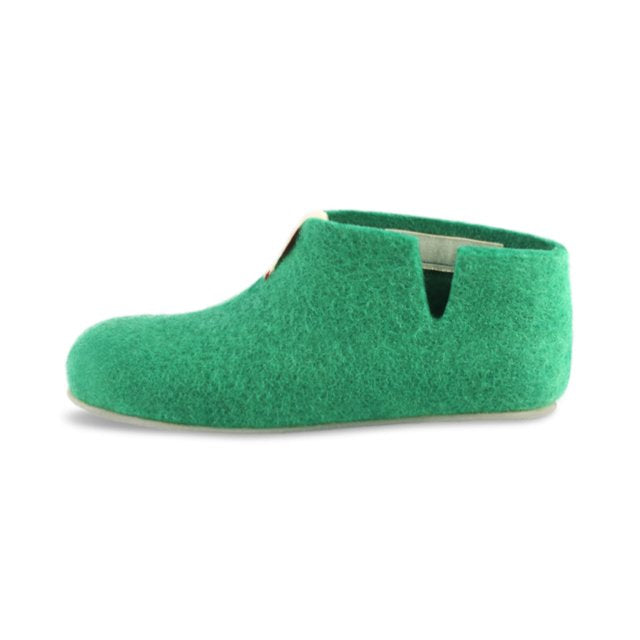
The first cold floor of the morning can set the tone for everything that follows. Felt house shoes change that small daily moment with warmth that feels light, soft support underfoot, and a clean silhouette that belongs with the rest of your home. They are made for coffee before the inbox, the walk from desk to kitchen, and the quieter hours when comfort should not mean wearing something disposable.
Why felt house shoes feel different
Felt is wool transformed through moisture, heat, and pressure into a dense, flexible textile. The result is more structured than a fluffy slipper and more inviting than a conventional indoor shoe. It holds its shape, wraps naturally around the foot, and gives a pared-back look that works across seasons.
The real advantage is how wool manages temperature. Its fibers help retain warmth when the air is cool while allowing excess heat and moisture to move away from the foot. That makes felt a practical choice for people whose feet run cold in the morning but warm up quickly after an hour at a standing desk or around the house.
This is not the same experience as thick synthetic fleece. A heavily padded slipper can feel cozy for a few minutes, then overly warm or damp. A well-made felt shoe offers a more balanced kind of comfort: insulating without feeling airless, soft without collapsing into a flat, formless shape.
Choose the right shape for your routine
There is no single best house shoe. The right pair depends on how you move through your space, how warm your home stays, and whether you want a shoe reserved strictly for indoors or one that can handle a quick step outside.
Closed-back styles for daily movement
A closed-back felt shoe is a strong choice for active home days. The heel stays in place when you carry laundry upstairs, move between rooms, or take the dog into the yard. It also creates a more secure feel for anyone who dislikes a slipper that slides or flips at the heel.
Look for a flexible upper with enough structure to keep the shoe from twisting underfoot. The goal is easy comfort, not rigid confinement. If you work from home, a closed-back style can make the shift from bed to desk feel more intentional without asking you to wear street shoes indoors.
Open-back styles for easy on and off
Mules and slip-on clogs are ideal when convenience comes first. They are easy to step into before making breakfast, answering the door, or settling onto the sofa at night. The open heel also gives feet more room if they tend to feel fuller later in the day.
The trade-off is stability. An open-back shoe is not always the best option for stairs, fast pacing, or long stretches on hard flooring. A snug but not tight fit through the forefoot helps keep it comfortably in place.
Soles matter more than they seem
The sole determines where and how often a house shoe can go. A soft felt or suede-like sole may feel quiet and flexible on rugs and wood floors, but it is better kept indoors. A thin rubber sole adds grip and durability for tile, apartment hallways, porches, and short outdoor trips.
More sole is not automatically better. A very thick platform can make an indoor shoe feel heavy and remove the grounded, flexible sensation that many people want from wool footwear. Choose the amount of protection your floors and routine actually require.
Fit should feel close, not restrictive
Felt house shoes should initially fit securely around the foot without pinching toes or pressing on the top of the instep. Wool tends to relax and adapt with wear, so a pair that begins overly loose may become less stable over time.
Start with your usual shoe size, then consider how you plan to wear them. If you prefer bare feet or thin socks, a closer fit usually makes sense. If you regularly wear thicker socks, need more toe room, or sit between sizes, sizing up may be more comfortable. Always use the brand's size guidance when it is available, since lasts and shapes vary.
Pay attention to the toe box. Your toes should be able to spread naturally rather than bunching at the front. The heel should not lift excessively in a closed-back style, and the upper should not create pressure points after a few minutes of walking. Comfort that needs to be endured is not comfort.
A material choice with a longer view
House shoes are often treated as short-life purchases: soft at first, worn down quickly, then replaced. Choosing felt can be a more considered alternative when the design, construction, and care support a longer lifespan.
Wool is a natural, renewable material with performance built into the fiber itself. It can help regulate warmth, resist odors between wears, and maintain a composed appearance without requiring layers of plastic-based padding. That does not make every felt product identical. Fiber quality, density, stitching, lining, sole material, and manufacturing standards all affect how a shoe performs over time.
For shoppers who want their purchases to align with a more responsible wardrobe, it is worth looking beyond the phrase “natural material.” Ask whether the brand shares where its footwear is designed and crafted, offers care guidance, and has repair, replacement, recycling, or resale pathways. Circular options matter most when they are paired with products worth keeping.
Baabuk approaches wool footwear as an everyday category rather than a seasonal novelty, with Swiss design sensibility and a focus on comfort that lasts beyond one winter indoors.
How to care for felt at home
One of wool's best qualities is that it does not need constant washing. Often, airing your felt house shoes in a dry, ventilated place is enough to refresh them. This is especially useful after long days at home, when shoes have absorbed some moisture but do not actually need cleaning.
For small marks, let any mud dry first, then brush it away gently. Spot-clean with a lightly damp cloth and a small amount of mild wool-safe soap when needed. Avoid soaking the felt, using hot water, or placing the shoes near direct heat to dry. High heat can change the shape and texture of wool.
If the footbed needs a reset, remove it if the design allows and air it separately. Rotating between two pairs can also be a practical habit, giving each pair time to dry fully between wears. Small routines like these help preserve both comfort and shape.
Styling felt beyond the bedroom
Good indoor footwear should not feel like an afterthought. Felt house shoes look especially at home with relaxed cotton pants, textured knitwear, soft tailoring, or the simple uniform of a T-shirt and lounge pants. Their minimal form adds warmth without competing with the rest of what you are wearing.
Neutral tones create an easy, quiet base in a home wardrobe. A deeper color can bring definition to simple layers, while a lighter shade makes the material itself feel more visible. The appeal is not about making slippers formal. It is about choosing pieces that feel considered even on the least scheduled days.
For travel, a compact felt pair can be useful in a hotel room, cabin, or shared house where walking barefoot is not always appealing. If you expect to use them outside, choose a sole designed for that purpose rather than asking an indoor-only pair to do more than it was built to handle.
Make comfort part of the everyday
The best felt house shoes earn their place by becoming almost invisible in the right way. You stop noticing cold floors, stop changing out of uncomfortable footwear too late in the day, and stop treating home comfort as separate from good design. Choose a pair that fits your pace, care for it simply, and let the first step of the morning feel like a better one.


