
















Do Wool Shoes Smell? What Keeps Them Fresh
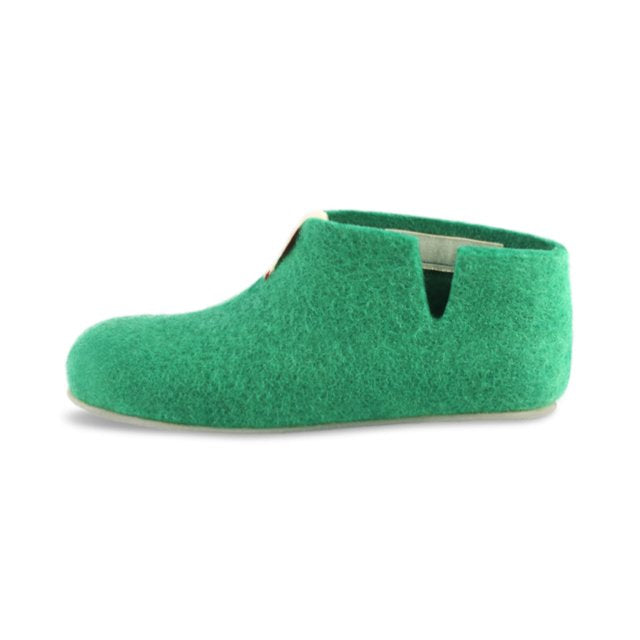
A shoe can feel comfortable from the first step and still become the pair you hesitate to take off at a friend’s door. So, do wool shoes smell? They can, but usually far less quickly than shoes made mostly with synthetic materials. Wool’s natural structure helps manage moisture and odor before it settles in, making it a practical choice for barefoot wear, long travel days, and everyday life.
That does not mean wool footwear is self-cleaning or immune to the realities of active feet. Heat, sweat, how often you wear the same pair, and how you dry them all matter. The advantage is that wool gives you more breathing room between wears - and a simpler care routine when your shoes need a refresh.
Why Wool Shoes Smell Less Than Many Shoes
Foot odor is not caused by sweat alone. Fresh sweat has very little smell. Odor develops when moisture stays trapped around the foot and bacteria break down sweat and skin oils. The result is the familiar, lingering smell that can build up inside closed shoes.
Wool helps disrupt that cycle in a few useful ways. Its fibers absorb moisture vapor, helping reduce the damp environment where odor-causing bacteria thrive. At the same time, wool can release that moisture back into the air as conditions change. This helps footwear feel drier and more comfortable across a full day.
Wool is also naturally breathable. Rather than sealing heat around your feet the way many plastic-based linings can, it helps regulate the microclimate inside the shoe. That is why wool footwear can feel cozy in cooler weather without becoming unnecessarily stuffy indoors.
The fiber’s textured surface plays a role, too. Wool can hold on to some odor molecules rather than releasing them immediately into the air. In practical terms, a pair may remain more pleasant between wears, even after commuting, working from home, or walking through an airport.
Do Wool Shoes Smell After Barefoot Wear?
Barefoot wear is where wool often earns its place in a daily rotation. Without socks, moisture moves directly into the shoe, so materials make a noticeable difference. A wool upper or lining can absorb that moisture and help the shoe air out afterward, instead of leaving it sitting on the surface.
Still, barefoot wear is not a free pass to skip care forever. If you wear one pair every day, especially in warm weather, moisture may not have enough time to fully evaporate. The same is true after a workout, a rainy walk, or a long day on your feet. Wool is naturally capable, but it works best when you give it a chance to recover.
For many people, rotating between two pairs is enough to keep both feeling fresher. Let each pair rest in an open, dry area for a day before wearing it again. This small habit is often more effective than spraying fragrance into footwear, which can cover odor temporarily without addressing trapped moisture.
When Odor Can Still Build Up
Even naturally breathable shoes can develop a smell under the right conditions. The most common reason is repeated wear without drying time. Storing shoes in a closed gym bag, dark locker, or crowded closet while they are still damp can make the problem worse.
Foot health and personal sweat levels also vary. Some people simply perspire more, while certain medications, stress, and hot climates can change how much the feet sweat. In those cases, wool remains a smart material choice, but regular airing and occasional cleaning become more important.
The construction of the shoe matters as well. A wool slipper worn only around the house faces different conditions than a wool sneaker used for city miles. Outsoles, insoles, linings, and how closely the shoe fits all influence airflow. Choose a size with enough room for natural movement, not a tight fit that holds heat and moisture against the foot.
How to Keep Wool Footwear Fresh
The best care routine is low effort and consistent. After wearing your shoes, take them off in an open space rather than pushing them under a bed or into a bag. Loosen laces if your style has them, and remove insoles if they are designed to come out. More airflow means faster drying.
Avoid placing wool shoes directly on a radiator, in a dryer, or under intense heat. High heat can affect the shape and feel of natural fibers, and it is unnecessary in most cases. Let them dry at room temperature, away from direct sunlight. If the shoes are noticeably damp, place plain paper inside to help draw out moisture, then replace the paper as needed.
If you notice a light odor, start with air rather than washing. A full day in a well-ventilated spot can make a surprising difference. For a more persistent smell, follow the care instructions specific to your pair. Many wool styles benefit from gentle spot cleaning with cool water and a small amount of mild soap, while some components may have their own care needs.
A few habits are worth avoiding. Do not use heavy perfume sprays, bleach, or harsh deodorizing chemicals on wool. They can leave residue, alter the material’s natural feel, or create a competing scent that is no more pleasant than the original problem. Baking soda is often suggested as a deodorizer, but loose powder can be difficult to remove from textile interiors. If you use it, keep it contained in a breathable sachet and remove it before wearing the shoes.
A Simple Freshness Routine
For everyday wool shoes, air them out after each wear and rotate pairs when possible. Spot clean marks before they set, especially after wet or muddy conditions. If an insole is removable, let it dry separately from time to time.
For slippers, this can be especially helpful because they are often worn barefoot and used daily. A little recovery time keeps the wool feeling comfortable and the interior feeling more inviting. The goal is not a complicated maintenance ritual. It is simply to prevent moisture from becoming trapped day after day.
Wool, Synthetic Materials, and Odor Control
Synthetic footwear can be lightweight, durable, and easy to wipe clean, but it often relies on plastic-based fibers that do not manage moisture vapor in the same way wool does. This can create a warmer, more humid interior during extended wear. Some synthetic shoes use odor-control treatments, but those treatments may fade over time and do not replace the benefit of a naturally breathable material.
That said, no single material solves every footwear need. A fully waterproof shoe may prioritize keeping outside water out, which can reduce internal ventilation. A highly structured performance shoe may feel different from a soft wool sneaker or slipper. The right choice depends on where you are going, how active you will be, and whether you want a pair for indoor comfort, travel, or all-day city wear.
Wool stands out because it brings comfort and odor management together without requiring a complicated system. It is a material that suits real routines: leaving home early, walking more than planned, slipping shoes off at the door, and wearing the same trusted pair often.
When It Is Time to Clean or Replace Insoles
If airing out no longer improves the smell, inspect the inside of the shoe. Insoles are often where odor concentrates because they receive the most direct moisture and pressure. A removable insole can be aired separately, cleaned according to its instructions, or replaced when it is worn down.
Also check whether the shoe is drying fully between wears. If it feels damp the next morning, the issue is usually not that wool has failed. It is that the shoe needs more time, better ventilation, or a rotation partner. For footwear designed to stay in your life longer, thoughtful care is part of the experience.
Wool shoes are not meant to smell like perfume. They are meant to feel clean, dry, and easy to wear. Give them fresh air, gentle care, and a little time between adventures, and they will return the favor with comfort that stays close to nature.


